The Future of Construction Management Apps: New Directions for 2026 and the Impact of Automation
Why Construction Management Apps Are Becoming Essential
The construction industry, traditionally known for its reliance on manual processes and fragmented communication, is undergoing a significant digital transformation. As projects grow more complex and timelines tighten, construction management apps are no longer optional—they are becoming mission-critical tools.
In 2026, the demand for efficiency, transparency, and real-time collaboration is pushing companies to adopt smarter, more integrated solutions. These apps are evolving from simple task trackers into intelligent platforms that drive decision-making, reduce risks, and optimize resources across the entire project lifecycle.
Key Trends Shaping Construction Management Apps in 2026
1. Cloud Integration as the Industry Standard
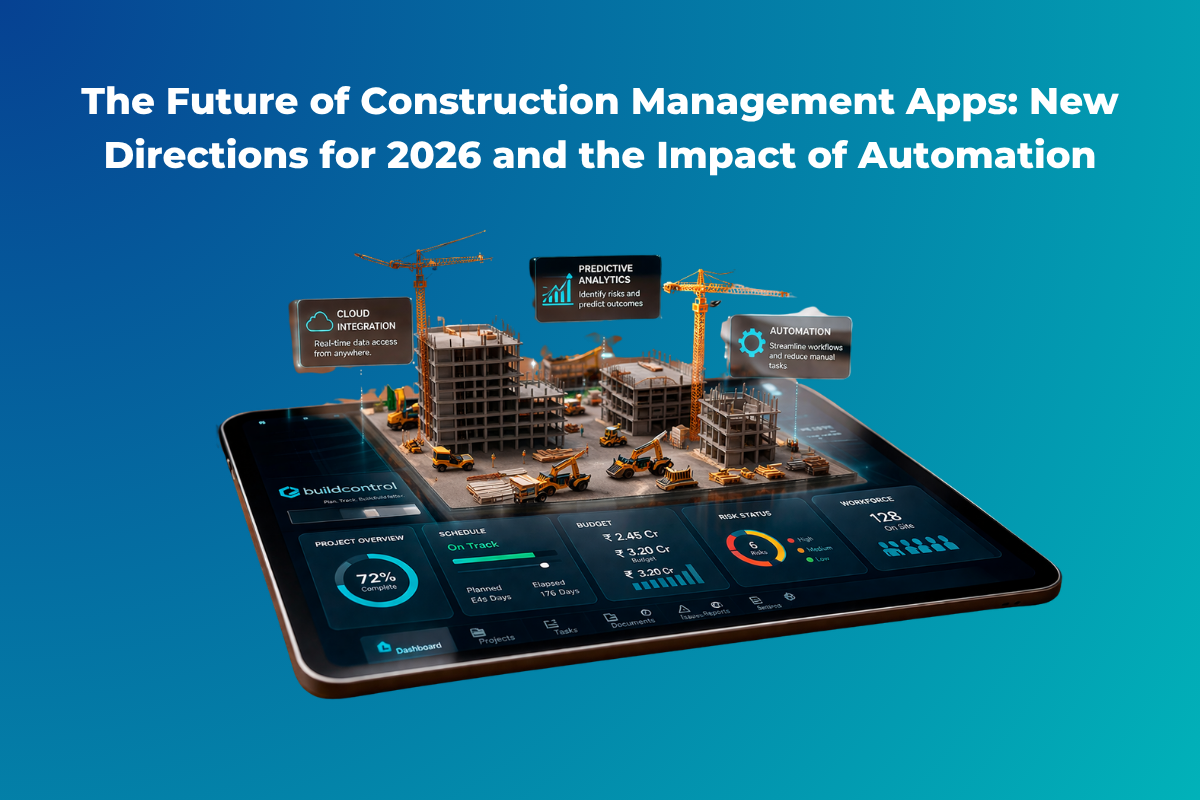
Cloud technology is at the core of modern construction management systems. By 2026, nearly all advanced apps will be fully cloud-native, allowing stakeholders—contractors, architects, engineers, and clients—to access project data from anywhere.
This shift enables:
- Real-time updates across teams
- Centralized data storage
- Seamless collaboration across multiple sites
Cloud integration eliminates inefficiencies and ensures everyone works with the latest information.
2. Predictive Analytics for Smarter Decision-Making
Predictive analytics is transforming how construction projects are planned and executed. By analyzing historical data and real-time inputs, modern apps can forecast potential issues before they occur.
Key applications include:
- Predicting project delays
- Estimating cost overruns
- Identifying high-risk activities
This allows project managers to act proactively instead of reactively.
3. Automation Redefining Workflows
Automation is one of the most impactful trends shaping construction management in 2026. Routine and repetitive tasks are increasingly handled by intelligent systems.
Examples include:
- Automated scheduling and resource allocation
- Instant report generation
- Workflow-based approvals and inspections
Automation reduces human error and significantly improves efficiency.
How These Trends Impact the Industry
Cost Reduction
Better forecasting and automation reduce unnecessary expenses, rework, and delays.
Faster Project Delivery
Real-time collaboration and streamlined workflows ensure quicker decision-making and execution.
Improved Risk Management
Data-driven insights help teams identify and mitigate risks before they escalate.
Why buildcontrol is One of the Best Construction Management Apps
As the construction industry evolves, having the right tool becomes critical—and this is where buildcontrol stands out.
1. Designed Specifically for Construction Teams
Unlike generic project management tools, buildcontrol is built with real construction workflows in mind. From site tracking to labor management, everything is tailored to industry needs.
2. Real-Time Data and Cloud Access
buildcontrol leverages cloud technology to provide instant updates from site to office, ensuring all stakeholders stay aligned at all times.
3. Powerful Automation Features
With buildcontrol, repetitive tasks like reporting, scheduling, and approvals can be automated—saving time and reducing manual effort.
4. Data-Driven Insights
The platform enables smarter decisions with analytics and reporting tools that help predict delays, control costs, and manage risks effectively.
5. User-Friendly Interface
One of the biggest challenges in construction tech adoption is usability. buildcontrol focuses on simplicity, making it easy for teams on-site to use without extensive training.
6. Scalable for All Project Sizes
Whether you are managing a small project or a large-scale construction site, buildcontrol adapts to your needs and grows with your business.
Looking Ahead: Adopting the Future
The construction industry is at a turning point. Companies that embrace modern tools will gain a competitive edge, while others risk falling behind.
Adopting platforms like buildcontrol is not just about digitization—it’s about improving productivity, reducing risk, and delivering better results.


Conclusion: Time to Act
The future of construction management is digital, automated, and data-driven. Technologies like cloud computing, predictive analytics, and automation are reshaping the way projects are executed.
Now is the time to:
- Adopt smarter tools
- Train your teams
- Optimize your workflows
The sooner you embrace these innovations, the faster you move ahead of the competition.
Frequently Asked Questions (FAQs)
1. What is a construction management app?
A construction management app is a digital tool that helps manage planning, scheduling, communication, budgeting, and execution of construction projects in one platform.
2. Why are construction management apps important in 2026?
They improve efficiency, reduce costs, enhance collaboration, and provide real-time insights, which are essential for handling complex modern projects.
3. How does automation help in construction management?
Automation reduces manual work, minimizes errors, speeds up processes, and ensures consistency in tasks like reporting, scheduling, and approvals.
4. Is buildcontrol suitable for small construction businesses?
Yes, buildcontrol is scalable and works for both small teams and large enterprises, making it a flexible solution.
5. Can construction apps help reduce project delays?
Absolutely. With predictive analytics and real-time updates, these apps help identify risks early and keep projects on track.
6. How easy is it to implement a construction management app?
Most modern apps, including buildcontrol, are designed for quick onboarding with minimal training, making adoption straightforward.